A Guide to Garage Door Weatherstripping for Enhanced Protection Mar 07, 2026
Understanding the Importance of Garage Door Weatherstripping
Weatherstripping acts as a barrier against air, water, and debris. By sealing the edges of your garage door, it prevents drafts, reduces energy costs, and keeps out pests and moisture. Proper weatherstripping is critical, especially during extreme weather conditions, when protection against the elements can make a noticeable difference in maintaining the integrity of your garage.
Signs That Your Weatherstripping Needs Replacement
Over time, weatherstripping can wear out, crack, or become detached due to constant exposure to environmental changes. Look for visible signs such as gaps, cracks, or brittleness in the material. If you notice unusual drafts or increased moisture inside your garage, it may be time for a replacement. Replacing worn-out weatherstripping is a simple yet highly effective way to ensure your garage remains insulated and safe.
Types of Weatherstripping for Garage Doors
There are several types of weatherstripping available, each serving a unique purpose. The most common types include:
1. Bottom Seals: These are attached to the bottom edge of the garage door and are crucial for keeping out water, dirt, and rodents. They come in various styles, including T-style, J-type, and bulb-shaped designs.
2. Threshold Seals: Installed on the garage floor, threshold seals work in conjunction with bottom seals to provide an additional layer of protection against water ingress.
3. Door Stop Weatherstripping: Mounted on the vertical sides and top of the door frame, this weatherstripping prevents drafts and pests from entering around the edges of the door.
4. Panel Weatherstripping: Some garage doors also use weatherstripping between individual panels to enhance overall insulation.
The Installation Process
Installing garage door weatherstripping can be a straightforward DIY task. Start by removing any old, damaged weatherstripping. Clean the surfaces to ensure a secure fit for the new materials. Measure and cut the new weatherstripping to fit the dimensions of your garage door. Attach the bottom seal first, followed by the side and top weatherstripping. Ensure that all components are tightly fastened to achieve maximum protection.
Benefits of Professional Installation
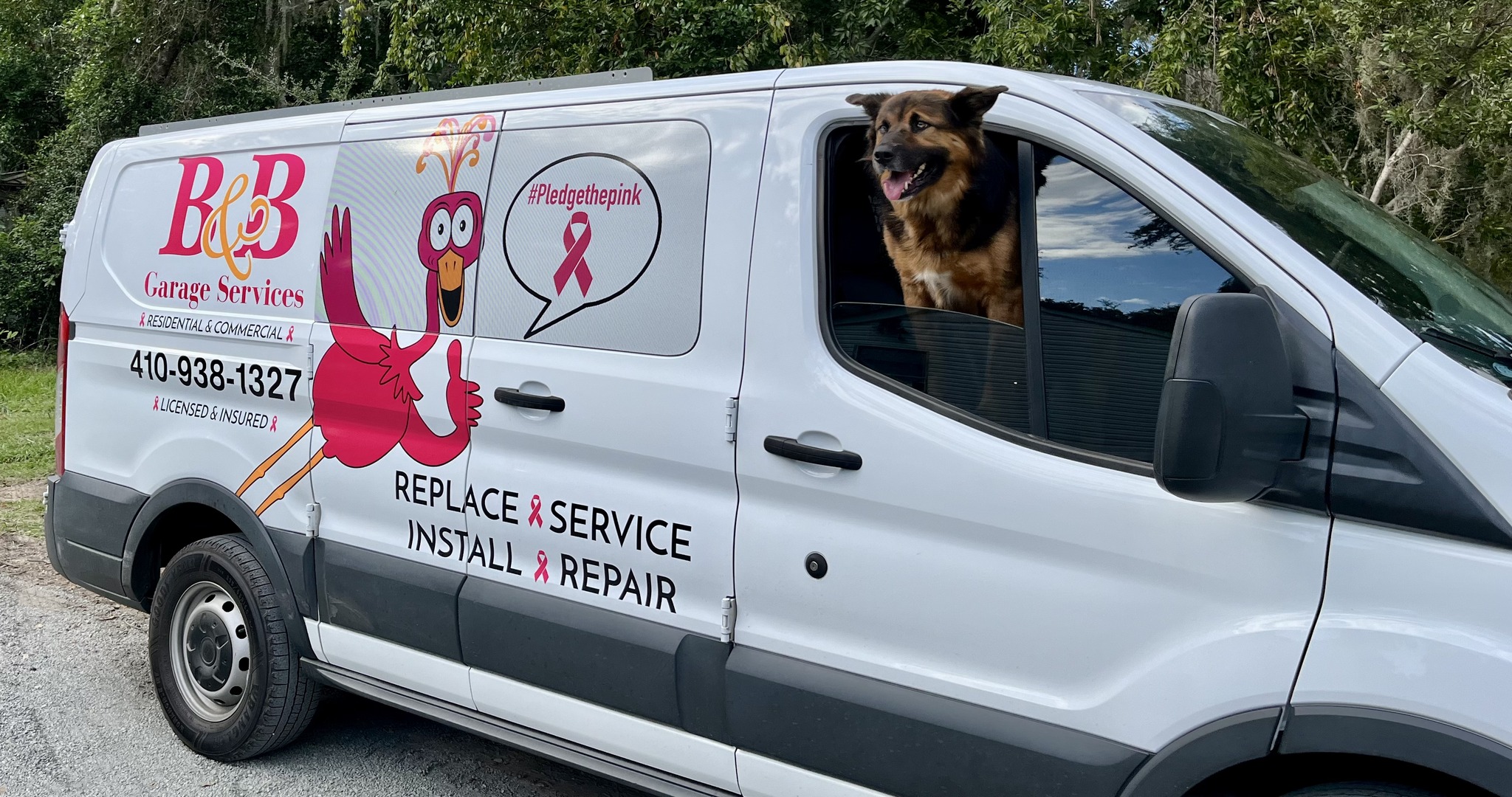
While DIY installation can be successful, hiring a professional, like the experts at B&B Garage Services, provides several advantages. Professionals have the experience and tools to ensure a perfect fit and seal, which can be challenging to achieve on your own. Moreover, they can recommend the best materials based on your specific climate and garage setup, ensuring long-lasting performance.
In Conclusion
Garage door weatherstripping may seem like a small detail, but its impact on energy efficiency, comfort, and protection can be significant. Whether you choose to tackle the installation yourself or hire professionals, prioritizing this task will pay off in the long run as you enjoy a safer, more comfortable garage environment. For more information, or to schedule an inspection with B&B Garage Services, reach out to our team today. Your garage's defense against the elements starts with quality weatherstripping.
/filters:no_upscale()/filters:format(webp)/media/398d0ba1-f3f1-4cde-acde-989b51515302.jpeg)